


July 31, 2026 · Crypto Card · GCC · Comparison
How to Choose a Crypto Card in the GCC: A 2026 Comparison Framework
A practical framework for comparing crypto debit cards available to GCC residents, and where Kem stands out.
The number of crypto debit cards available to GCC residents has grown quickly, and the options are not all built the same way. Instead of chasing headline cashback percentages, it helps to compare cards against a consistent set of criteria.
Custody: Who Actually Holds Your Funds
Some cards are non-custodial, spending directly from a wallet you control. Others, like Kem, use a managed balance with regulated custody. Neither approach is automatically better, but you should know which one you are using and understand the protections that come with it.
Funding Currency and Stability
- Stablecoin balances (USDT, USDC) track the US dollar, which can reduce exposure to local currency swings.
- Native crypto balances (Bitcoin, Ethereum) expose your spending power to market volatility, which is worth considering if you plan to hold a balance for daily spending.
Acceptance and Practical Access
- Network acceptance — confirm the card runs on Visa or Mastercard rails accepted broadly in your country and abroad.
- No bank account requirement — useful for residents who have not yet met a local bank's documentation requirements.
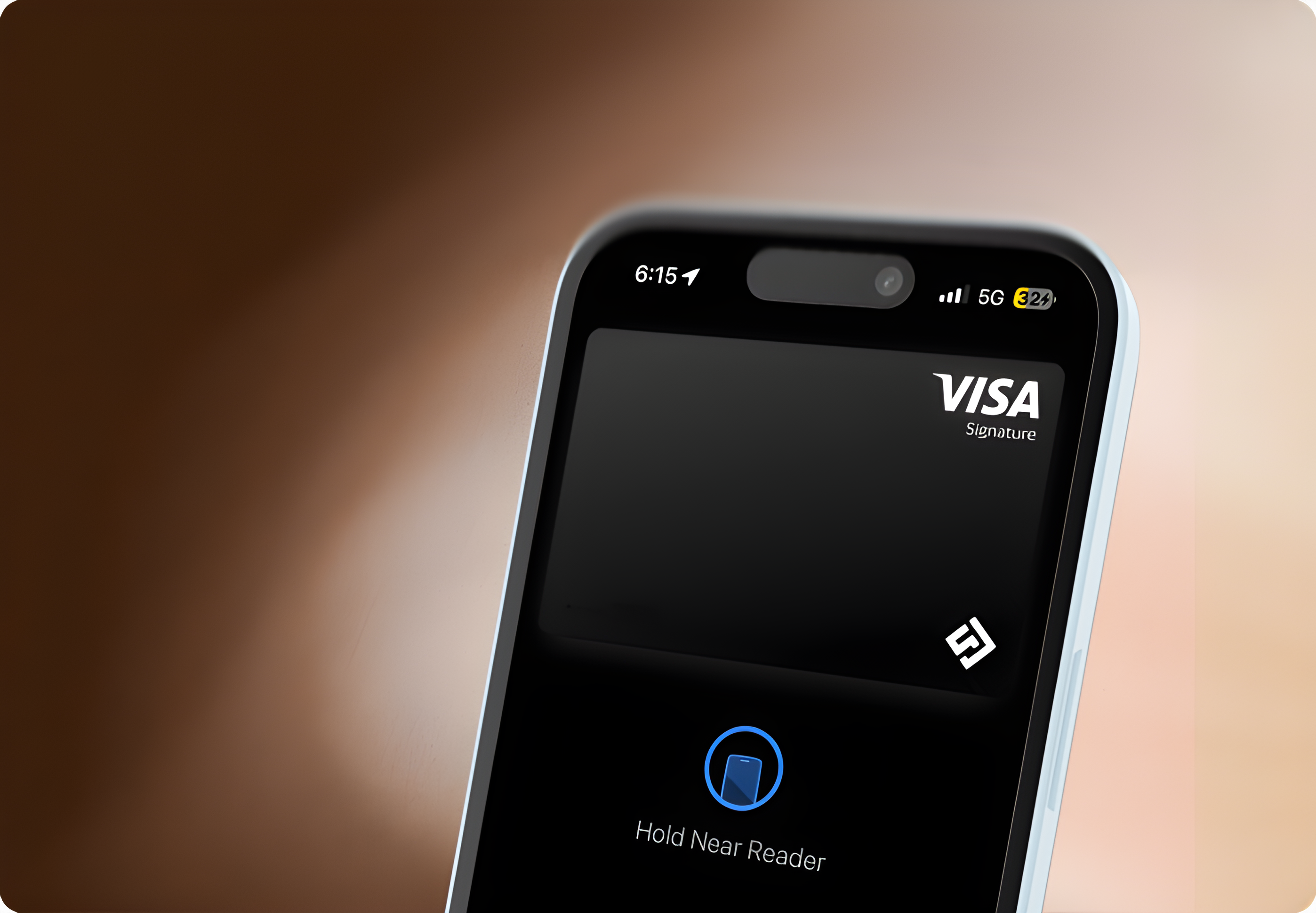
- Built-in transfers — some cards, including Kem, bundle instant P2P transfers alongside card spending, which is useful for remittances.
Fees and Transparency
- Top-up fees when moving funds into your balance.
- Spending or transaction fees on purchases.
- FX margins when spending in a currency different from your balance.
- Any monthly or inactivity fees.
Where Kem Fits This Framework
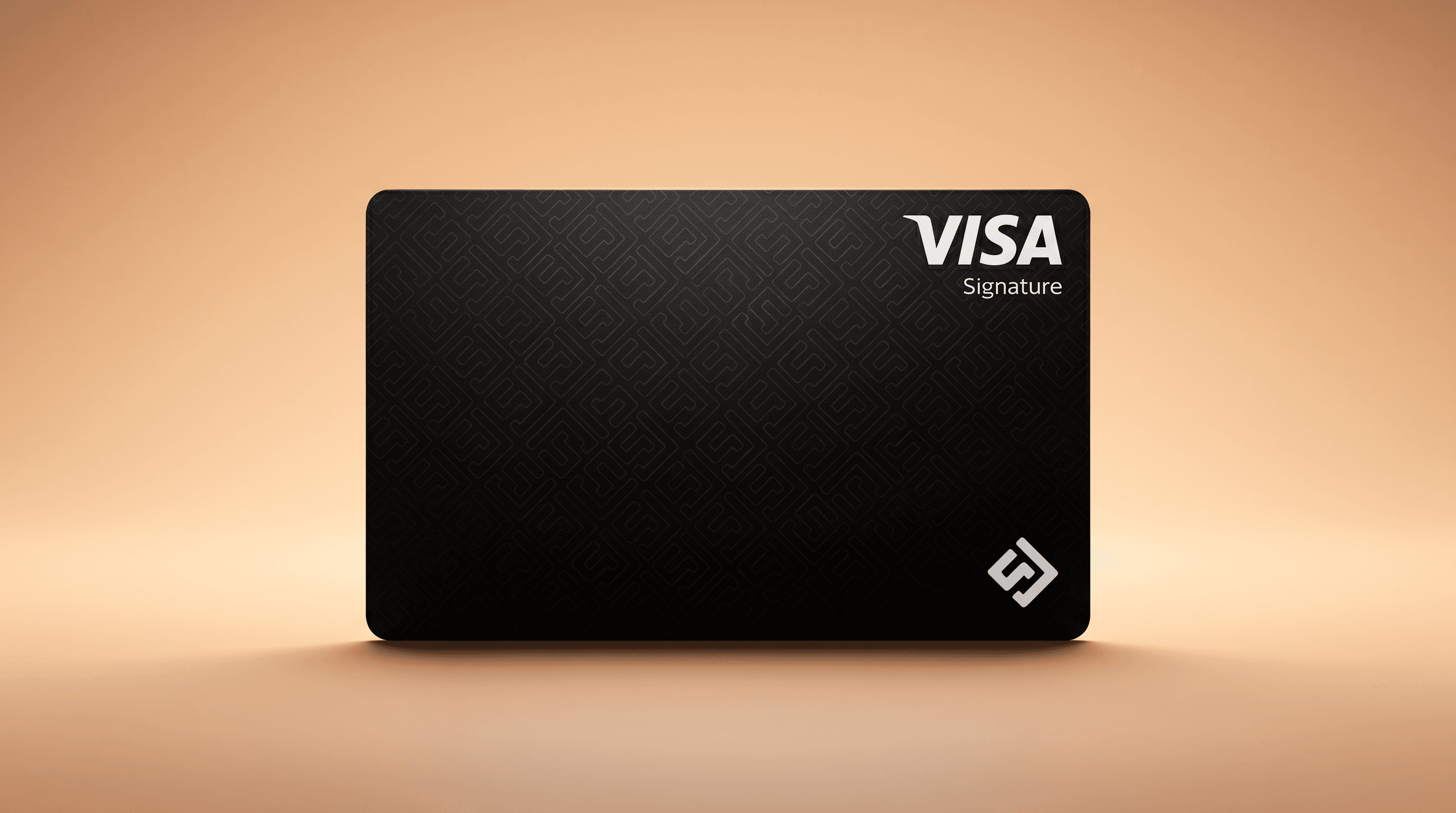
Kem combines a stablecoin balance (USDT or USDC), regulated custody, a card that works anywhere Visa is accepted, and built-in P2P transfers for sending money to family or friends, without requiring a traditional bank account to get started.
Frequently Asked Questions
Q: Is a custodial or non-custodial crypto card safer? A: Neither is universally safer. Custodial cards rely on the provider's security and regulatory compliance, while non-custodial cards put more responsibility on you to secure your own wallet. Understand which model you are using either way.
Q: Should I hold a stablecoin or native crypto balance for spending? A: A stablecoin balance like USDT or USDC is generally more predictable for everyday spending, since it is designed to track the US dollar rather than fluctuate with the broader crypto market.
Q: What fees should I watch for most closely? A: The FX margin is often the least visible cost and can matter more than a flat fee, especially if you spend or convert currency frequently.
Q: Does Kem require a bank account to apply? A: No, Kem is designed to work without requiring a traditional bank account.