


July 12, 2026 · Crypto Card · Bank Alternative · GCC
Kem vs Traditional Bank Cards: Why a Crypto Card Wins in the GCC
A side-by-side look at how a stablecoin-powered Visa card compares to a traditional bank card for residents of the Gulf.
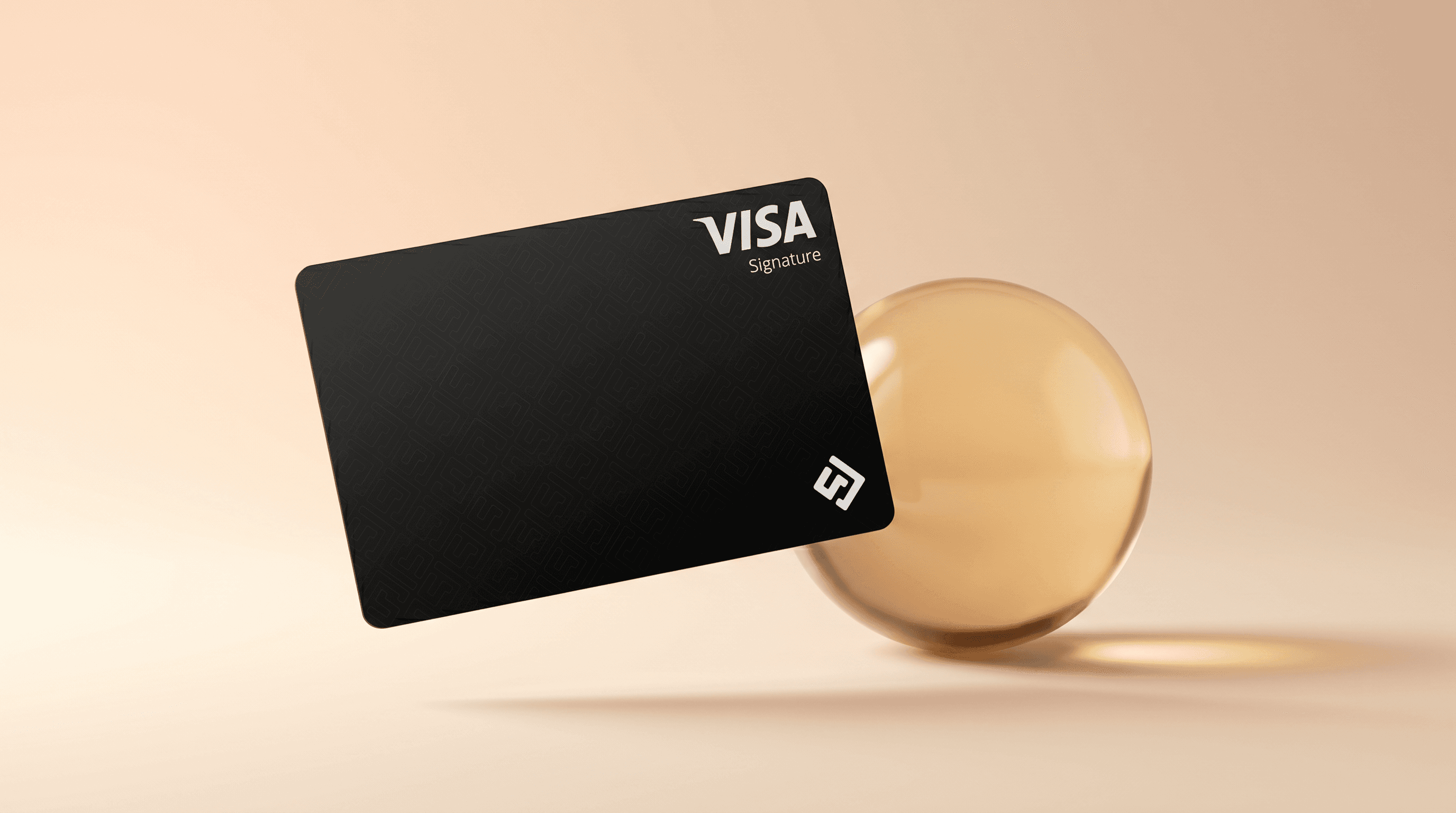
Opening a traditional bank account in the GCC can mean paperwork, minimum balance requirements, and in some cases, restrictions for expats without a long employment history. Kem offers an alternative: a Visa card funded directly from crypto and stablecoin holdings, without the traditional onboarding hurdles.

The Traditional Bank Card Experience
- Account opening requirements: Often requires proof of employment, minimum salary thresholds, or a residency history.
- Paperwork and processing time: Account opening and card issuance can take days or weeks.
- Limited crypto access: Traditional bank cards are not built to spend crypto or stablecoin holdings directly.
The Kem Card Experience
- No local bank account required: Sign up and get a card without needing an existing bank relationship.
- Fast onboarding: Complete verification and fund your wallet in the app, without in-branch visits.
- Spend crypto directly: Convert supported assets like USDT, USDC, Bitcoin, or Tether Gold into spendable balance whenever you choose.
- Rewards on everyday spending: Earn cashback at select partners on categories like food delivery, rides, and flights.
Side-by-Side Comparison
| Feature | Traditional Bank Card | Kem Card |
|---|---|---|
| Bank account required | Yes | No |
| Onboarding time | Days to weeks | Minutes in-app |
| Spend crypto or stablecoins directly | No | Yes |
| Visa acceptance | Yes | Yes, 150+ countries |
| Cashback on spending | Varies by bank | Up to 5% at select partners |
Who Kem Is Built For
Kem is designed for people who already hold crypto or stablecoins and want a straightforward way to spend it, as well as for expats and residents who want a card without the friction of opening a traditional bank account first.
Frequently Asked Questions
Do I need a bank account to get a Kem card? A: No. Kem lets you get a Visa card and spend supported crypto and stablecoins directly, without a traditional bank account.
How is Kem different from a normal bank debit card? A: A Kem card is funded from your crypto and stablecoin holdings rather than a bank balance, and can be set up entirely in the app.
Can I still earn rewards with Kem like I would with a bank card? A: Yes. Kem offers cashback at select partners, including on food delivery, rides, and flights.
Is a Kem card accepted everywhere Visa is accepted? A: Yes. The Kem card works anywhere Visa is accepted, both in the GCC and internationally.